Podcasting is no longer just a hobby for creators recording in a spare bedroom. According to Statista, the Global podcast industry is Expected to pass Billions in Advertising revenue over the next few years as brands shift more budget into audio advertising and creator partnerships.
Most podcasters struggle with the same frustrating question: “How do people Actually make money from this?” They publish Episodes consistently, grow listeners slowly, and still feel invisible to Advertisers. Many creators Assume sponsors only work with huge shows getting hundreds of thousands of downloads every Month. That simply is not true anymore.
Small niche podcasts are landing brand deals because Advertisers care About audience trust and listener Engagement more than raw download numbers. A focused audience of loyal listeners often converts better than a massive general audience that barely pays attention. This guide will show you exactly how to monetize a podcast with sponsors step by step. You’ll learn how sponsorships work, how much podcasts really earn, how to pitch brands professionally, and which platforms can help you find advertisers faster in 2026.
What Is Podcast Sponsorship Monetization?

Podcast sponsorship Monetization means earning money by promoting a company, product, or service during your podcast episodes. Sponsors pay podcasters to place ads in front of listeners because podcast audiences are highly engaged and trust host recommendations.
Unlike display ads on websites, podcast sponsorships feel more personal. Listeners hear the recommendation directly from the host, which creates stronger conversion rates for brands.
A 2024 Edison Research report found that podcast listeners are significantly more likely to remember audio ads compared to social media ads. That trust factor is one reason podcast advertising keeps growing every year.
How Podcast Ads Work
Podcast Ads are usually inserted in three main places:
- Pre-roll ads at the beginning
- Mid-roll ads during the episode
- Post-roll ads at the end
Mid-roll ads typically earn the highest CPM rates because listeners are already engaged with the content. Host-read Ads perform especially well because they sound natural. Instead of feeling like a commercial break, the ad feels like a recommendation from someone the audience already trusts.
For example, a business podcast discussing productivity tools might naturally promote project management software during the middle of an episode. That feels relevant instead of forced.
Types of Podcast Sponsorships
There are several sponsorship models podcasters use to generate revenue.
CPM Sponsorships
CPM stands for “cost per Thousand Downloads.” Sponsors pay based on how many listeners hear the episode.
Typical podcast CPM rates in 2026:
| Ad Placement | Average CPM |
|---|---|
| Pre-roll | $18–$25 |
| Mid-roll | $25–$50 |
| Post-roll | $10–$20 |
Affiliate Sponsorships
Affiliate sponsorships pay commission instead of a flat fee. You earn money when listeners use your custom referral link or promo code.This works well for beginner podcasters with smaller audiences.
Sponsored Episodes
Some brands pay creators to dedicate an entire episode to a topic, product, or industry trend connected to their business.These deals often pay significantly more than short ad placements.
Why Brands Pay Podcasters
Brands sponsor podcasts because Audio audiences are loyal and focused. People often listen while driving, working out, or commuting, which means fewer distractions compared to scrolling social media.
From my experience, advertisers care most about three things:
- Audience trust
- Niche relevance
- Listener engagement
A podcast with 2,000 loyal listeners in the finance niche may outperform a general entertainment show with 20,000 casual listeners.That’s why niche podcasts can become profitable much faster than creators expect. The next step is understanding how many downloads you actually need before sponsors take your podcast seriously.
How Many Downloads Do You Need for Sponsors?
One of the biggest myths in podcasting is that sponsors only work with large creators. Many podcasters delay monetization for years because they believe they need massive audience numbers first. In reality, small podcasts can absolutely earn sponsorship revenue. Some advertisers work with creators getting fewer than 1,000 downloads per episode if the audience is highly targeted.
Small Podcast Sponsorship Opportunities
Smaller podcasts usually perform best with:
- Affiliate sponsorships
- Local business partnerships
- Niche product collaborations
- Service-based advertisers
For example, a local real estate podcast could partner with mortgage brokers, home inspectors, or interior design companies long before reaching mainstream popularity.
This approach creates more realistic sponsorship opportunities early on.
Niche Podcasts vs Large Podcasts
Large podcasts attract bigger advertisers, but niche podcasts often deliver stronger conversion rates.
Here’s why:
| Podcast Type | Strength |
|---|---|
| Large General Podcast | Bigger reach |
| Niche Podcast | Higher trust and targeting |
A fitness supplement company would rather advertise on a dedicated fitness podcast than a random comedy show with unrelated listeners. That niche alignment matters more than vanity metrics.
Average CPM Rates in 2026
Podcast CPM rates vary depending on industry, audience demographics, and engagement levels. Finance, business, marketing, and technology podcasts usually command the highest rates because advertisers can generate larger customer value from those audiences.
Estimated Average CPM ranges in 2026:
| Podcast Niche | Average Mid-Roll CPM |
|---|---|
| Business | $35–$55 |
| Finance | $40–$65 |
| Technology | $30–$50 |
| True Crime | $25–$40 |
| Comedy | $20–$35 |
A podcast earning 10,000 downloads per episode could realistically generate several hundred dollars from a single sponsorship placement. Now let’s look at how to package your show professionally before approaching sponsors.
How to Create a Podcast Sponsorship Media Kit

A podcast media kit acts like your sales presentation. It helps advertisers understand who your audience is and why your podcast is valuable.Many podcasters skip this step and wonder why brands ignore their outreach emails. A strong media kit instantly makes your show look more professional.
Audience Demographics
Sponsors want detailed listener information, including:
- Age range
- Gender breakdown
- Geographic location
- Interests
- Income level
Podcast analytics tools like Spotify for Podcasters and Apple Podcasts Connect provide demographic insights you can include. Specific audience data helps advertisers measure fit quickly.
Download Statistics
Your media kit should clearly display:
- Average downloads per episode
- Monthly listener growth
- Listener retention rates
- Social media engagement
- Email subscriber count
Even modest numbers can look impressive if engagement is strong. For example, a podcast with 3,000 loyal weekly listeners and a 45% email open rate may appear far more attractive than a show with inflated but inactive downloads.
Sponsorship Packages
Create simple sponsorship packages advertisers can understand immediately.
Example:
| Package | Includes | Price |
|---|---|---|
| Starter | 1 pre-roll ad | $150 |
| Growth | Pre + mid-roll ads | $350 |
| Premium | Sponsored episode + newsletter | $800 |
Bundling multiple promotional assets increases perceived value and helps raise podcast ad revenue. Once your media kit is ready, the next challenge is actually finding sponsors willing to pay.
How to Find Podcast Sponsors
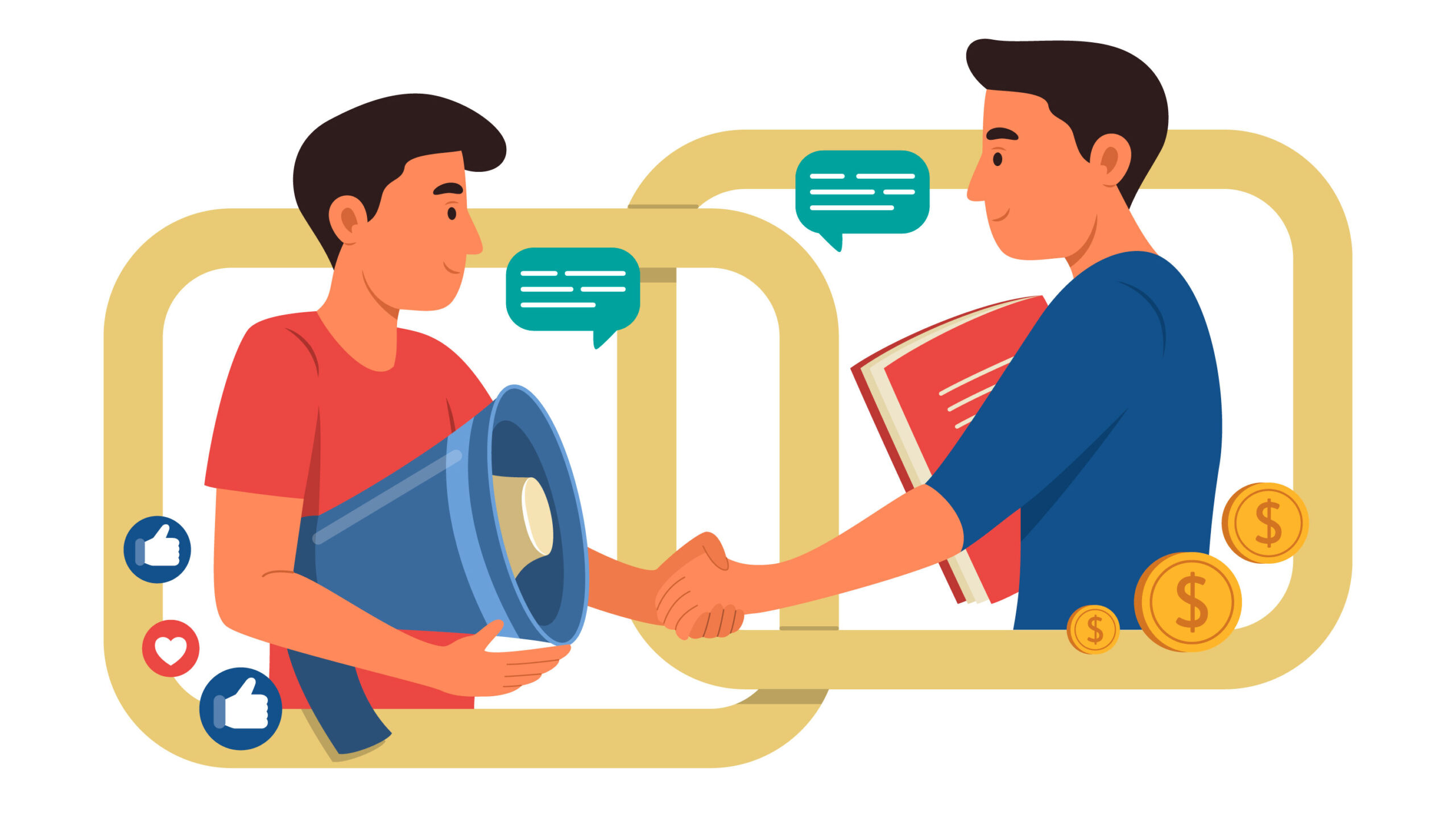
Finding podcast sponsors requires outreach, networking, and consistency. Most beginner podcasters wait for brands to contact them first, which rarely works in the early stages. Successful creators actively pitch advertisers instead of hoping sponsorships magically appear.
Direct Outreach
Direct outreach means contacting companies yourself through email or LinkedIn. This strategy works surprisingly well for niche podcasts. Start by creating a list of brands already advertising in your industry. Then pitch companies whose products naturally fit your audience.
Your email should include:
- Brief podcast introduction
- Listener demographics
- Download statistics
- Sponsorship opportunities
- Clear call to action
Short emails perform better than long sales pitches.
Podcast Ad Networks
Podcast ad marketplaces connect creators with advertisers automatically.
Popular platforms include:
- AdvertiseCast
- Podcorn
- Gumball
- Audacy Creators
- Spotify Audience Network
These platforms simplify sponsorship management and help smaller podcasters discover advertisers faster. The downside is revenue sharing. Most networks take a percentage of sponsorship earnings.
Affiliate Sponsorships
Affiliate partnerships remain one of the easiest ways to monetize a podcast with sponsors when your audience is still growing. Instead of charging flat fees, you earn commission per sale.
Popular Affiliate categories include:
- Software tools
- Web hosting
- Online courses
- Financial apps
- Fitness products
Many podcasters combine affiliate marketing with direct sponsorships to create multiple revenue streams.
Local Business Sponsorships
Local businesses are often overlooked by podcasters chasing national brands. A city-focused podcast could partner with:
- Restaurants
- Gyms
- Realtors
- Law firms
- Insurance agencies
Local advertisers usually face less competition and may respond faster than major companies.
Next, let’s compare the best sponsorship platforms available right now.
Best Podcast Sponsorship Platforms
Different sponsorship platforms serve different creator needs. Some work best for beginners while others target larger shows with established audiences. Choosing the right platform can speed up monetization dramatically.
Spotify for Podcasters
Spotify for Podcasters gives creators access to automated ad insertion and audience analytics. The platform works best for podcasters already building traction inside Spotify’s ecosystem.
Advantages include:
- Easy integration
- Audience insights
- Automated monetization tools
The downside is limited sponsor control compared to direct partnerships.
AdvertiseCast
AdvertiseCast acts as a marketplace where advertisers browse podcasts based on category and audience size. It’s beginner-friendly and supports many smaller podcasts. Podcasters can list rates publicly and negotiate deals directly through the platform.
Podcorn
Podcorn focuses heavily on creator-brand collaboration.
Unlike CPM-only systems, Podcorn supports:
- Sponsored interviews
- Product mentions
- Social media bundles
- Affiliate campaigns
This flexibility makes it attractive for creators building multi-platform audiences.
Gumball
Gumball simplifies podcast advertising with transparent pricing and host-read sponsorships. The platform focuses heavily on creator authenticity rather than generic automated ads. That helps preserve audience trust.
Audacy Creators
Audacy Creators helps podcasters monetize through dynamic advertising and audience targeting tools. It works well for creators scaling into larger sponsorship campaigns.Strong analytics and advertiser relationships make the platform valuable for long-term podcast growth. Now let’s answer the question every creator eventually asks: how much money can podcasts realistically make?
How Much Money Can Podcasts Make?
Podcast income varies wildly depending on audience size, niche, listener trust, and sponsorship strategy. Some creators make a few hundred dollars per month while others build six-figure media businesses around audio content.
The good news is that podcast sponsorship revenue is no longer limited to celebrity creators. Smaller niche shows now monetize faster because advertisers care more about engagement than vanity metrics. A podcast with loyal listeners can become profitable long before it becomes famous.
CPM Pricing Formula
Most sponsorship deals use CPM pricing.The basic formula looks like this: Podcast Downloads ÷ 1,000 × CPM Rate = Sponsorship Revenue
Example:
- 5,000 downloads
- $30 CPM
- Mid-roll placement
Calculation:
5 × $30 = $150 per episode
If you publish weekly, that becomes roughly $600 monthly from one sponsor placement alone. Add multiple sponsors, affiliate deals, or bundled promotions and podcast ad revenue scales quickly.
Revenue Examples
Here’s a realistic breakdown of sponsorship income based on audience size.
| Monthly Downloads | Estimated Revenue Potential |
|---|---|
| 1,000–5,000 | $50–$500 |
| 5,000–20,000 | $500–$3,000 |
| 20,000–100,000 | $3,000–$20,000 |
| 100,000+ | $20,000+ |
These numbers vary by niche. Finance and software podcasts usually earn higher CPM rates because advertisers generate larger customer lifetime value from those industries. Comedy and entertainment podcasts often need larger audiences to reach similar income levels.
Monthly Income Scenarios
Imagine a business podcast with:
- 12,000 downloads per episode
- 4 episodes monthly
- Two mid-roll sponsors
- $35 CPM
Estimated monthly revenue:
12 × $35 = $420 per ad
$420 × 2 sponsors × 4 episodes = $3,360 monthly
That doesn’t include affiliate commissions, premium memberships, YouTube monetization, or digital product sales. This is why experienced podcasters treat sponsorships as one revenue stream inside a larger creator business model. Still, even profitable podcasts fail when outreach is weak. Let’s fix that next.
Podcast Sponsorship Outreach Templates
Great podcasts still lose sponsorship opportunities because their outreach emails sound generic or desperate. Brands receive dozens of pitches every week. Clear communication and professionalism instantly separate serious creators from amateurs. Simple outreach usually works better than overly polished corporate language.
Cold Email Template
Here’s a beginner-friendly outreach template you can customize. Subject: Partnership Opportunity With [Podcast Name]
Hi [Brand Name],
I host [Podcast Name], a podcast focused on [niche/topic]. Our audience includes highly engaged listeners interested in [industry interest].
We currently average [download number] downloads per episode and have strong engagement across [platforms/newsletter/social media].
I’d love to discuss sponsorship opportunities that align naturally with your brand and our audience.
Would you be open to a quick conversation this week?
Thanks,
[Your Name]
This format stays short while giving advertisers the information they actually care about.
Follow-Up Email
Most sponsorships happen after follow-up messages, not the first email. A simple follow-up might say:
Hi [Name],
Just checking back regarding my previous sponsorship message for [Podcast Name].
I believe your product would fit our audience well because many listeners already discuss topics related to [industry/problem].
Happy to send listener data or sponsorship package details if helpful.
Thanks again,
[Your Name]
One practical tip from experience: avoid following up more than twice. Aggressive follow-ups damage credibility quickly.
Sponsorship Proposal Example
Your proposal should explain:
- Audience demographics
- Download metrics
- Sponsorship options
- Pricing packages
- Previous campaign results
- Promotional channels included
Adding screenshots from podcast analytics tools increases trust immediately. Visual proof matters more than promises. Strong outreach improves response rates dramatically, but many podcasters still sabotage deals with avoidable mistakes.
Common Podcast Sponsorship Mistakes
New podcasters often lose sponsorship opportunities because they focus too much on selling and not enough on audience value. The best sponsorships feel natural to listeners. Forced promotions usually fail.
Charging Too Little
Many beginner podcasters undervalue their audience. A niche audience with strong listener trust can justify premium pricing even with modest download numbers.
Low pricing creates two problems:
- You earn less than you should
- Brands assume your audience lacks value
Research industry CPM benchmarks before negotiating sponsorship rates.
Ignoring Audience Fit
Promoting irrelevant products damages credibility quickly.A productivity podcast advertising random mobile games would confuse listeners and reduce trust. Successful podcasters choose sponsors aligned with audience interests. Audience trust is your biggest monetization asset. Protect it carefully.
Overloading Ads
Too many ads ruin listener experience. Some creators insert multiple sponsorship breaks into short episodes and wonder why retention drops.
A good rule:
- Short episodes → fewer ads
- Longer episodes → more flexibility
Keeping sponsorships balanced improves both audience retention and advertiser results. As podcasts grow, advanced monetization strategies become more important.
Advanced Podcast Monetization Strategies

Once your sponsorship system works consistently, you can expand into higher-level monetization methods that increase revenue without depending entirely on new downloads. This is where podcasting starts becoming a scalable business.
Dynamic Ad Insertion
Dynamic ad insertion automatically swaps podcast ads based on listener behavior or geography. Instead of permanently embedding sponsorships into old episodes, new ads can appear dynamically over time.
Benefits include:
- Monetizing old content
- Better targeting
- Automated campaigns
- Higher inventory value
Platforms like Spotify Audience Network and Megaphone support dynamic insertion tools.
Premium Sponsorship Tiers
Experienced podcasters often create layered sponsorship bundles.
Example:
| Tier | Features |
|---|---|
| Bronze | Podcast mention |
| Silver | Mid-roll + newsletter |
| Gold | Sponsored episode + social media |
| Platinum | Multi-platform campaign |
Bundled packages increase total sponsorship value while simplifying negotiations. Brands prefer comprehensive campaigns over scattered promotions.
Cross-Platform Sponsorship Bundles
Modern creators rarely rely on podcasts alone. Sponsors increasingly want bundled exposure across:
- Podcasts
- YouTube
- TikTok
- Newsletters
- Communities
For example, a software company may pay far more for:
- Podcast ad
- YouTube mention
- LinkedIn post
- Newsletter feature
Instead of selling one ad placement, you sell audience attention across multiple channels. This dramatically increases earning potential. AI tools now help podcasters manage many of these systems faster than ever before.
Best AI Tools for Podcast Monetization
AI tools are changing how creators edit episodes, analyze audiences, write sponsor pitches, and repurpose content. Smart automation saves hours every week. That gives creators more time to grow sponsorship relationships.
Analytics Tools
Good analytics improve sponsorship negotiations because brands want measurable audience data.
Useful tools include:
- Spotify for Podcasters
- Chartable
- Podtrac
- Transistor Analytics
- Captivate Analytics
These platforms track:
- Downloads
- Listener retention
- Geographic data
- Device usage
- Audience behavior
Detailed analytics strengthen sponsorship proposals significantly.
Sponsor Outreach Tools
Managing outreach manually becomes difficult once you pitch dozens of advertisers.
Helpful outreach tools include:
| Tool | Purpose |
|---|---|
| Hunter.io | Find business emails |
| Apollo.io | Lead generation |
| Notion | Sponsorship tracking |
| HubSpot CRM | Contact management |
| Mailshake | Email outreach automation |
Using a lightweight CRM helps track conversations and follow-ups professionally.
AI Content Repurposing Tools
Repurposing podcast episodes into social content increases discoverability and sponsorship value.
Popular AI repurposing tools include:
- Opus Clip
- Descript
- Riverside
- Castmagic
- ChatGPT
A single podcast episode can become:
- Short-form videos
- LinkedIn posts
- Email newsletters
- Twitter threads
- Blog posts
That extra visibility attracts more advertisers over time.
Strong content distribution often matters more than podcast size itself.
FAQ Section
Q: How many downloads do you need for podcast sponsors?
A: Many brands start sponsoring podcasts with as few as 500 to 1,000 downloads per episode if the audience is highly targeted. Niche engagement matters more than raw numbers. A small business podcast with loyal listeners may attract sponsors faster than a broad entertainment show.
Q: How much do podcast sponsors pay?
A: Podcast sponsorship rates usually follow CPM pricing, meaning advertisers pay per 1,000 downloads. Mid-roll ads often earn between $25 and $50 CPM depending on niche and engagement. Finance and technology podcasts generally earn higher rates.
Q: Can small podcasts get sponsors?
A: Yes, small podcasts can absolutely monetize with sponsors. Affiliate partnerships, local business deals, and niche product sponsorships work especially well for growing creators. Many advertisers care more about audience trust than large download numbers.
Q: What is the best podcast sponsorship platform?
A: The best platform depends on your audience size and goals. Podcorn works well for creator collaborations, while AdvertiseCast is beginner-friendly for direct sponsorship deals. Spotify for Podcasters offers automated monetization tools for creators already growing on Spotify.
Q: How do podcast ads work?
A: Podcast ads appear as pre-roll, mid-roll, or post-roll sponsorship segments during episodes. Some ads are host-read while others use dynamic ad insertion technology. Host-read ads usually convert better because they feel more personal and trustworthy.
Q: How do I pitch sponsors for my podcast?
A: Start with a short outreach email explaining your audience, download numbers, and sponsorship opportunities. Include listener demographics and explain why your audience matches the sponsor’s product. Keep emails concise and focused on audience value rather than personal achievements.
Q: Can you monetize a podcast without many listeners?
A: Yes. Smaller podcasts often monetize through affiliate marketing, coaching offers, premium communities, and local sponsorships. A loyal niche audience usually generates stronger conversions than a large but disconnected audience.
Conclusion
Podcast sponsorships are one of the most realistic ways creators build recurring income online today. The most successful podcasters focus on audience trust, niche relevance, and consistent outreach instead of obsessing over vanity metrics alone.
You do not need millions of listeners to monetize a podcast with sponsors. A focused audience, professional media kit, and smart sponsorship strategy can generate real income much earlier than most creators expect.
Start by improving one area today. Build your sponsorship package, pitch five brands this week, or join a podcast advertising platform. Small actions compound fast in podcasting, and the creators who start early usually win the long game.