
A practical, No Fluff guide to turning your camera roll into income which platforms Actually pay, what photos sell, and how to avoid the mistakes that get beginners rejected.
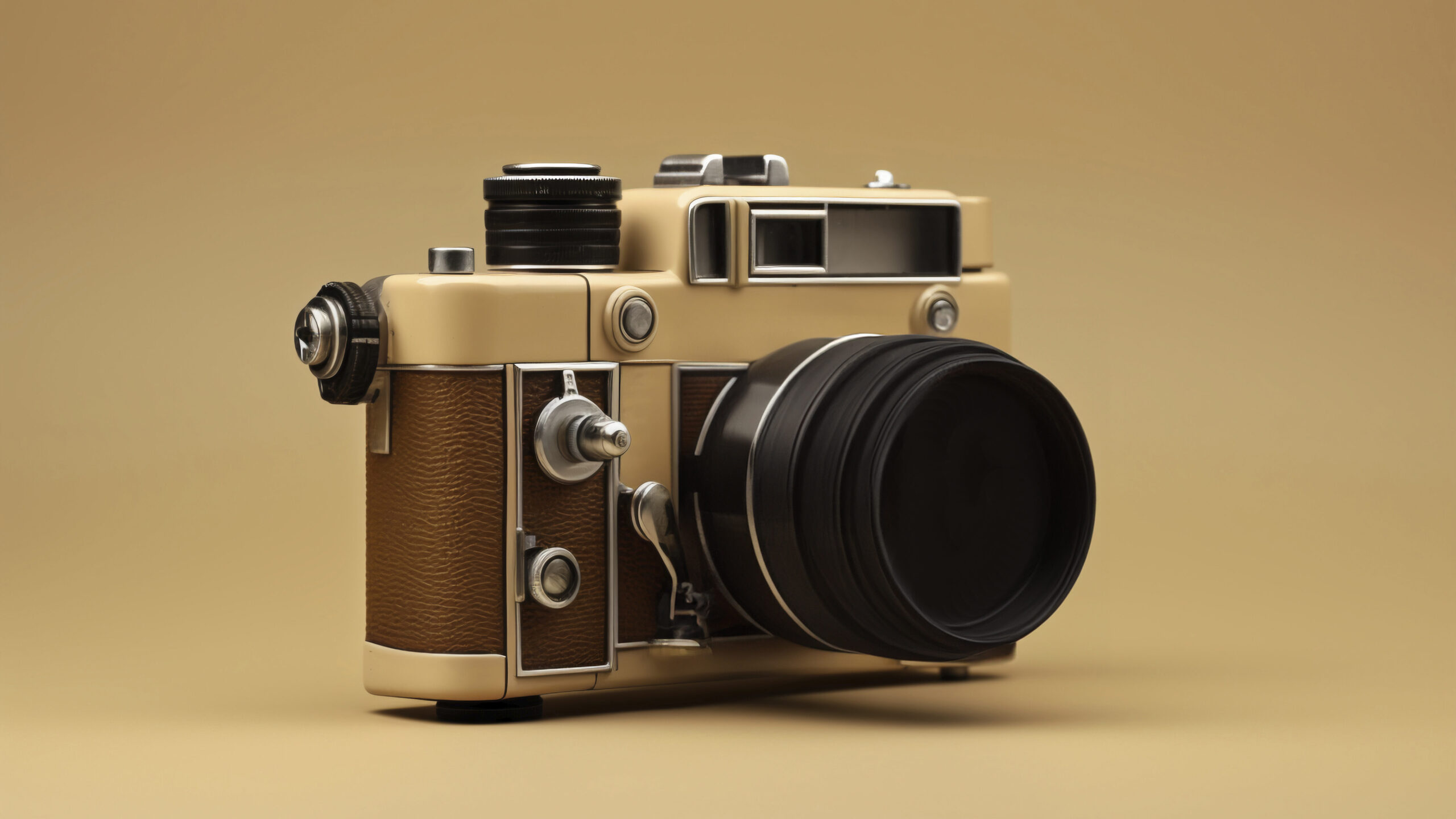
If you’ve got a Decent camera, a phone, or Even just an eye for a good shot, you can Learn how to make money selling photos online. It won’t make you rich overnight, but Thousands of photographers earn a steady side income some even replace a full time salary by licensing their images through stock photography marketplaces.
This guide skips the hype. You’ll learn exactly which platforms pay, what kind of photos Actually sell, how licensing works, and the Mistakes that get most beginners rejected in their first week.
What Is Stock Photography, and How Does It Actually Pay You?
Stock photography is the business of licensing your images to businesses, Marketers, Bloggers, and Designers who need visuals but don’t want to hire a photographer. You upload a photo once, and Every time someone downloads or licenses it, you earn a royalty. One photo can sell dozens or hundreds of times over its lifetime.
You don’t sell the photo itself you sell the right to use it under specific terms. That’s the core idea Behind photo licensing, and it’s why a single sunset shot from your last vacation could quietly earn you money for years.
Two license types you’ll see everywhere:
- Royalty-free (RF): The buyer pays once and can use the image repeatedly, within the platform’s terms. This is the most common model on Shutterstock, Adobe Stock, and Dreamstime.
- Rights-managed (RM): The buyer pays based on specific usage how long, where, and how big. Getty Images and Alamy use this more often, and it usually pays more per sale but sells less frequently.
How Much Can You Actually Earn Selling Photos Online?

Most beginners earn very little in their first few months often $0 to $20 because portfolios need volume and time to gain visibility. Photographers with 500+ well tagged images can realistically see $50 to $300 a month. Top contributors with Thousands of images and strong niches (business, lifestyle, technology) Report $1,000 to $5,000+ monthly, but that’s built over years, not weeks.
The honest Math a single Royalty free download might pay you $0.25 to $3 depending on the platform and your contributor tier. That sounds small, but it’s per download, on autopilot, from a photo you shot once. Volume and consistency not luck are what turn cents into real income.
Best Websites to Sell Photos Online (Compared Honestly)
| Platform | Best For | Commission to Photographer | Exclusivity Required | Beginner Friendly |
|---|---|---|---|---|
| Shutterstock | High volume, steady sales | 15%–40% (rises with lifetime earnings) | No | Yes |
| Adobe Stock | Photographers already using Adobe tools | 33% flat | No | Yes |
| Getty Images | Premium/editorial work | 20%–45% depending on contract | Often yes | Harder to get in |
| Alamy | Wide variety, including niche subjects | Up to 50% | No | Yes |
| Dreamstime | Beginners building a first portfolio | 25%–50% (tiered) | No | Yes |
| Picfair | Photographers who want to set their own prices | You set your margin | No | Yes |
Expert tip: Don’t pick just one. Most successful contributors upload the same photo (where licensing terms allow) to 3–4 non exclusive platforms like Shutterstock, Adobe Stock, and Dreamstime at once, multiplying exposure without extra shooting.
What Kind of Photos Actually Sell?
Buyers are usually Marketers, Bloggers, and Businesses looking for images that support a message not Artistic showpieces. That’s why the best selling categories are often surprisingly ordinary:
- Business and workplace scenes : people in Meetings, remote work setups, handshakes
- Lifestyle and everyday moments : cooking, Exercising, family time
- Technology in use : phones, Laptops, smart devices, people using apps
- Food photography : clean, well lit, close up shots
- Travel and nature : landscapes, cityscapes, seasonal scenes
- Diverse, authentic representation : real looking people over overly staged models
Avoid heavily edited “art” shots with filters, watermarks, or artistic color grading unless you’re targeting Alamy or Getty’s editorial creative niches specifically. Buyers want clean, usable, realistic images they can drop into a webpage or ad.
Do You Need a DSLR to Sell Stock Photos?
No you don’t need a DSLR to start. Many contributors earn steady income using an iPhone or Samsung Galaxy, since modern smartphone cameras shoot in resolutions well above most stock site minimums (usually 4MP and up). What actually matters more than the camera is lighting, focus, and composition.
That said, a DSLR or Mirrorless camera does help once you’re targeting premium platforms like Getty Images, which often expect RAW files and more control over depth of field and exposure. If you’re serious about scaling this into real income, a mid-range camera is a good investment after your first few sales not before.
Step by Step: How to Start Selling Photos Online
- Pick 2–3 platforms to start with. Shutterstock and Adobe Stock are the Easiest entry points for beginners.
- Create your contributor account and complete any identity or Tax verification required.
- Shoot with intent. Think about what a business or blogger would search for not just what looks nice to you.
- Edit lightly. Use Adobe Lightroom, Snapseed, or free tools like GIMP or RawTherapee to correct exposure and color avoid heavy filters.
- Add accurate metadata. Titles, keywords, and captions determine whether your photo gets found in search. This step matters most beginners realize.
- Get releases where needed. If a recognizable person or private property appears in your shot, you’ll need a signed model release or property release before it can be licensed commercially.
- Submit for review. Most platforms manually review images before approval expect anywhere from 24 hours to a week.
- Track performance and reinvest. See which photos sell, shoot more in that style, and retire keywords that aren’t converting.
Why Photos Get Rejected (and How to Avoid It)
Rejections are almost always technical, not artistic. The most common reasons:
- Poor focus or noise : even minor blur is an automatic rejection on most platforms
- Missing releases : a recognizable face or a private, identifiable property without a signed release
- Over-editing : heavy filters, unnatural color grading, or visible watermarks
- Similar submissions : uploading near-duplicate shots from the same burst
- Weak or misleading metadata : keywords that don’t match what’s actually in the photo
Common mistake to avoid: Submitting 50 photos from one photoshoot without reviewing them first. Reviewers notice repetitive, low effort batches, and it can affect your approval rate going forward. Curate before you upload quality over quantity, especially early on.
Pros and Cons of Selling Photos Online
| Pros | Cons |
|---|---|
| Passive income once photos are uploaded | Income builds slowly, especially in month one |
| Low startup cost a phone is enough to begin | Royalty rates per download can feel small |
| Scales without extra work per sale | Requires ongoing shooting to keep growing |
| Multiple platforms multiply one photo’s reach | Rejections and metadata work take real effort |
| No client management or invoicing required | Market is competitive in popular niches |
Expert Tips to Increase Your Photo Sales
- Shoot in themed batches. A “remote work” or “healthy meal prep” set performs better than scattered, unrelated shots.
- Study your platform’s trending searches. Most contributor dashboards show what buyers are actively searching for.
- Keep a consistent upload schedule. Portfolios that grow steadily rank better than ones that go dormant.
- Diversify subjects, but stay consistent in quality. A tight, well-edited portfolio beats a huge, inconsistent one.
- Reinvest early earnings into better lighting gear before upgrading your camera body lighting affects photo approval more than resolution does.
Frequently Asked Questions
Can I sell photos taken with my phone? Yes. Most stock platforms accept smartphone photos as long as they meet minimum resolution and quality standards — sharp focus, good lighting, and no visible noise.
Which website pays the most for photos? It depends on your niche and volume. Alamy and Getty Images can pay more per sale, but Shutterstock and Adobe Stock generally offer more consistent volume for beginners.
How much do stock photographers earn? Earnings range widely from a few dollars a month for beginners to several thousand a month for contributors with large, well-optimized portfolios built over years.
Is stock photography still profitable in 2026? Yes, though it’s more competitive than a decade ago. Photographers who focus on underserved niches and strong metadata still build meaningful income.
What photos sell best online? Business, lifestyle, technology, food, and diverse everyday life images tend to outsell artistic or heavily stylized shots.
Do I need a DSLR to sell stock photos? No. A modern smartphone is enough to start, though a DSLR or mirrorless camera helps for premium or editorial platforms later on.
Can beginners sell stock photos? Yes. Most major platforms, including Dreamstime, Shutterstock, and Adobe Stock, are open to new contributors with no prior experience required.
How long does photo approval take? Typically between 24 hours and one week, depending on the platform and current review volume.
How do stock photo royalties work? You earn a percentage of each download or license sale the rate depends on the platform, your contributor tier, and whether the license is royalty-free or rights-managed.
Which stock photo site is best for beginners? Shutterstock, Adobe Stock, and Dreamstime are generally considered the easiest to join and start earning from as a new contributor.
Do I need a model release for every photo? Only if a recognizable person appears in the image and it’s being licensed for commercial use. Editorial-only images sometimes skip this requirement — check the specific platform’s policy.
Can I sell the same photo on multiple platforms? Yes, as long as you haven’t agreed to an exclusivity contract with one platform (Getty Images sometimes requires this).
What editing software should I use for stock photos? Adobe Lightroom and Photoshop are industry standards, but free tools like GIMP, Snapseed, and RawTherapee work well for beginners.
Is print-on-demand better than stock photography? They serve different goals stock photography earns per license/download, while print-on-demand earns per physical product sold. Many photographers do both.
How many photos do I need before I start earning meaningfully? Most contributors need at least 200–500 well tagged photos in their portfolio before seeing consistent monthly income.
Key Takeaways
- Stock photography is real, sellable passive income but it builds gradually, not overnight.
- You don’t need expensive gear to start; you need good light, sharp focus, and useful subject matter.
- Metadata and keywords matter as much as the photo itself.
- Uploading to multiple non-exclusive platforms multiplies your reach from the same work.
- Releases, technical quality, and consistent uploading are what separate steady earners from one-time uploaders.
Your Next Step
Pick one platform Shutterstock or Adobe Stock are the easiest starting points create your contributor account today, and upload your first five best photos this week. Consistency, not perfection, is what builds real income here.


При выборе серверов стоит учитывать xrumer proxy https://www.olx.ua/d/uk/obyavlenie/progon-hrumerom-dr-50-po-ahrefs-uvelichu-reyting-domena-IDXnHrG.html, которые обеспечивают анонимность.